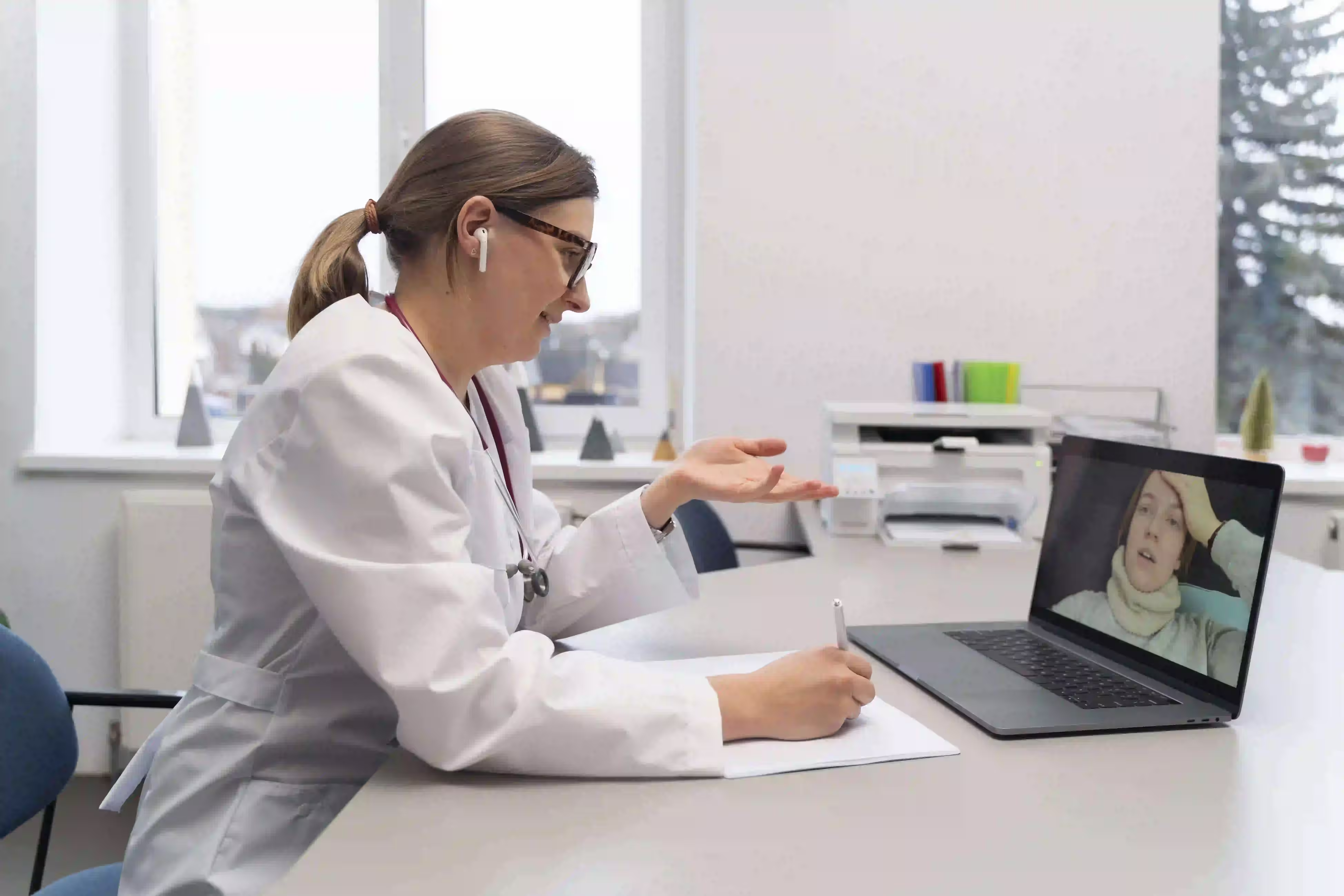

The medical industry is constantly evolving, and the role of innovation in this new era is inevitable. And one such recent advancements has been in remote patient monitoring. This technology allows physicians to monitor their patients’ health from a distance, utilizing devices that give live updates from the patient’s home. Not only does this allow for more efficient care, but it also opens up an entire new revenue stream for physicians who are willing to invest in this cutting-edge technology. In this blog post, we will discuss how medical billing can be used to maximize profits when providing remote patient monitoring services.

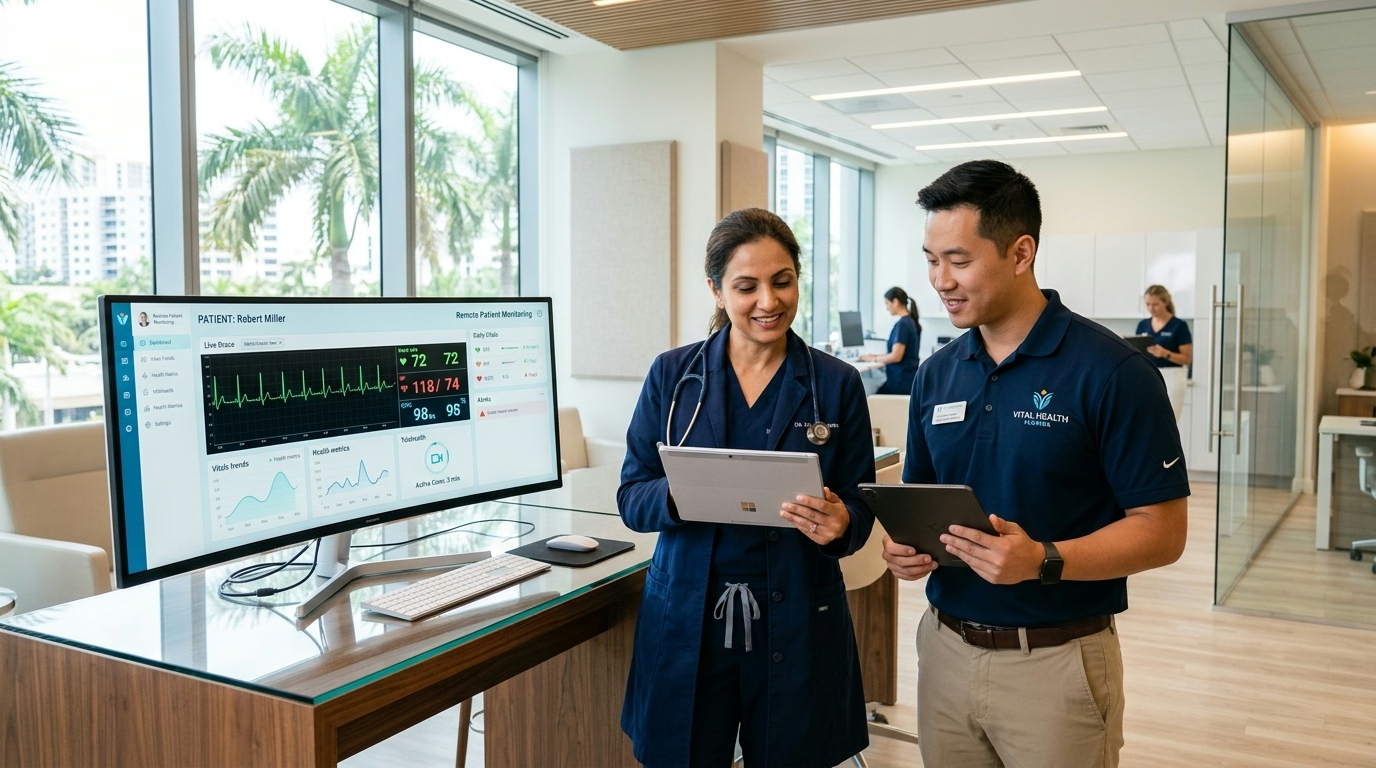
Remote patient monitoring (RPM) is quickly becoming an essential tool for healthcare providers around the world. It enables them to provide better care while reducing costs associated with traditional visits and treatments. RPM utilizes specialized equipment that is placed in or on the body of a patient so that vital signs such as heart rate, blood pressure, oxygen levels and temperature can be monitored remotely by a physician or other healthcare provider over time without requiring physical contact between doctor and patient.
Medical billing plays an integral role when it comes to maximizing profits from providing remote patient monitoring services. The first step is understanding what type of codes should be used when submitting claims for reimbursement under Medicare Part B programs which cover physician services. It is important to understand the difference between a remote monitoring code and an in-person visit code, as these can have different reimbursement rates. Once the correct codes are identified, it’s important to ensure that all documentation associated with the billing process is accurate and up-to-date, including patient demographic information and procedural notes.
The final step of medical billing for RPM involves managing denials from insurance companies or Medicare programs. It’s important to be able to anticipate potential issues with reimbursement before submitting claims so that they can be addressed proactively. Additionally, it’s essential to appeal any denied claims in a timely manner in order to maximize profits from providing RPM services.
By mastering medical billing for remote patient monitoring services, healthcare providers can ensure that they are getting paid accurately and quickly while offering their patients improved access to quality care. With the right team and processes in place, physicians can take advantage of this new revenue stream and utilize RPM as an effective tool for providing better patient care



Contact us today for more information!