-
A/R Liquidation: Explore healthcare data trends that improve patient outcomes, operational efficiency and financial performance.
-
Benchmarks Matter In Healthcare: Implementing structured protocols for benchmarks matter in healthcare directly mitigates documentation discrepancies and streamlines claim submission.
-
The Power Of Healthcare Analytic: Targeting operational vulnerabilities in the power of healthcare analytic protects practice cash flow and elevates first-pass claim acceptance rates.
-
Revenue Cycle Acceleration: Partnering with specialized RCM billing experts eliminates administrative backlog, shortens payment cycles, and safeguards practice revenue.

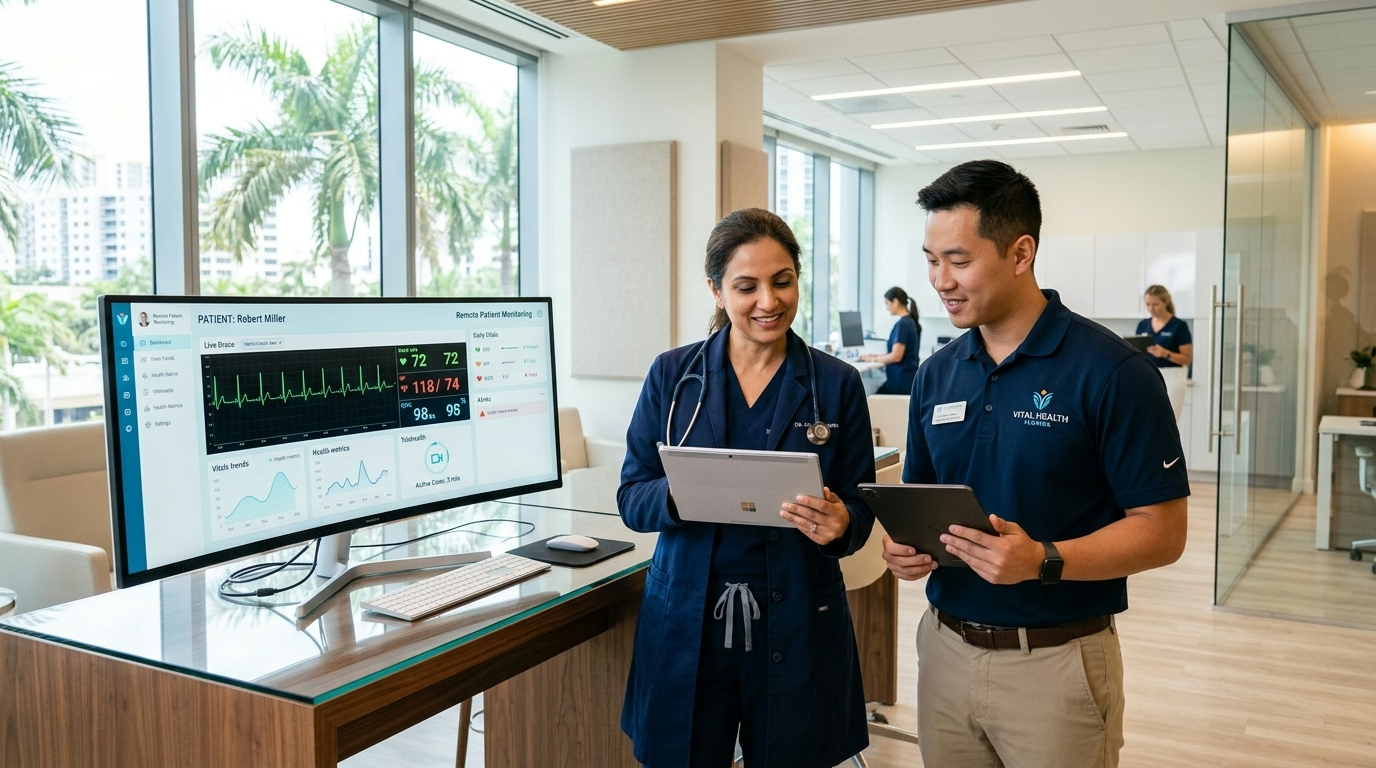
In today’s fast-paced medical environment, healthcare providers are constantly seeking ways to improve outcomes, reduce costs, and ensure compliance. A growing number of organizations are turning to healthcare analytics to transform raw data into actionable insights. By analyzing historical and real-time data trends, healthcare institutions can set meaningful benchmarks and foster continuous performance improvement. For providers working with revenue cycle management firms like Shoreline Medical Billing company, the right data strategy is no longer a luxury—it’s a necessity.
Why Benchmarks Matter in Healthcare
Benchmarks are reference points derived from data that allow healthcare providers to evaluate their performance against peers or established standards. Effective benchmarking drives accountability, supports quality improvement initiatives, and identifies opportunities for cost savings. Without benchmarks, it's difficult to determine whether your organization is underperforming or leading the pack.
However, not all benchmarks are created equal. Generic or outdated benchmarks can mislead more than help. That’s where data benchmarking grounded in real-time analytics makes a significant impact.
The Power of Healthcare Analytics
Healthcare analytics refers to the use of data analysis tools to extract insights from vast repositories of patient, financial, and operational information. These insights help healthcare leaders make evidence-based decisions.
With the right tools and partners, like Shoreline Medical Billing company, providers can harness the power of analytics to:
- Monitor patient outcomes: Connect clinical protocols directly with longitudinal patient recovery and satisfaction data.
- Track billing efficiency: Measure end-to-end charge capture velocity from clinical encounter to payer adjudication.
- Reduce claim denials: Identify root causes by payer, specialty, and provider to resolve recurring billing rejections before submission.
- Identify bottlenecks in administrative workflows: Pinpoint authorization lags, coding discrepancies, and paperwork friction.
- Forecast resource needs: Project patient intake trends, staffing requirements, and seasonal cash flow fluctuations.
Healthcare analytics tools can track thousands of variables, from patient satisfaction to reimbursement rates. By understanding how these variables interact, healthcare administrators can develop dynamic benchmarks that adapt as new data emerges.
Using Data Trends to Set Benchmarks
The process of setting meaningful benchmarks involves more than just pulling reports. It requires analyzing data trends over time and identifying patterns that reflect true organizational performance. Here’s how healthcare providers can achieve this:
1. Identify Key Performance Indicators (KPIs)
Before diving into analytics, healthcare organizations must define what success looks like. This starts with identifying KPIs related to patient care, operational efficiency, and financial performance. Common KPIs include:
- Average time to treatment: Ensuring rapid triage and clinical intervention.
- Patient wait times: Minimizing clinic delays to improve patient satisfaction.
- Claim acceptance rate: Elevating first-pass clean claim submission.
- Billing turnaround time: Compressing encounter-to-deposit cycle times.
- Denial rates: Lowering payer rejection ratios through proactive claim scrubbing.
A billing partner like Shoreline Medical Billing company can help healthcare providers focus on the most relevant KPIs for revenue cycle performance, ensuring every metric aligns with broader organizational goals.
2. Leverage Internal and External Data
Benchmarking is most powerful when it combines internal trends with external comparisons. Internal data reveals how an organization is performing over time, while external data shows how it stacks up against industry norms.
For instance, if a clinic’s denial rate has dropped by 10% in the last six months, that’s great news internally. But if the national average has dropped by 15%, there's still room for improvement.
Shoreline Medical Billing company offers detailed benchmarking reports that combine client-specific data with national datasets, helping providers identify gaps and opportunities at both the micro and macro levels.
3. Customize Benchmarks for Each Department
One-size-fits-all benchmarking rarely works in healthcare. Different departments—from radiology to primary care—operate with different workflows, patient populations, and regulations. As a result, benchmarks must be tailored to each department’s unique environment.
Using department-specific data trends, Shoreline Medical Billing company helps healthcare providers establish performance targets that are both ambitious and realistic. This level of granularity ensures that improvement efforts are focused and effective.
4. Continuously Update and Recalibrate
Benchmarks should never be static. The healthcare landscape changes constantly—new regulations emerge, payer policies shift, and technology evolves. Benchmarks must be recalibrated regularly based on the latest data benchmarking insights.
Modern healthcare analytics platforms allow organizations to track these shifts in real-time. With Shoreline Medical Billing company’s analytics services, benchmarks can be automatically updated as new data is collected, ensuring your targets remain relevant.
How Benchmarks Drive Performance Improvement
Once benchmarks are established, they become a compass for performance improvement. Here's how:
- Gap Identification: Benchmarks highlight where performance is falling short and provide clarity on what “good” looks like.
- Goal Setting: Teams can set specific, measurable goals that align with industry best practices.
- Process Optimization: Data reveals inefficiencies in workflows that can be streamlined for better outcomes.
- Staff Accountability: Benchmarks help hold departments and individuals accountable in a constructive and measurable way.
- Informed Decision-Making: Leaders can make strategic choices based on data rather than intuition.
For example, if a provider notices that their billing cycle is 20% slower than the industry average, they can work with Shoreline Medical Billing company to identify root causes and implement targeted process improvements.
Overcoming Common Challenges
While the benefits of benchmarking and healthcare analytics are clear, there are also hurdles to overcome:
- Data Silos: Disconnected systems can prevent organizations from accessing complete, reliable data across departments.
- Resistance to Change: Some staff may resist new performance metrics or process adjustments without clear communication and support.
- Poor Data Quality: Inaccurate or incomplete data leads to unreliable benchmarks and flawed strategic decisions.
- Lack of Expertise: Many organizations struggle to interpret complex data on their own without dedicated data analysts.
These challenges highlight the importance of working with experienced partners like Shoreline Medical Billing company, who not only provide access to rich datasets but also offer strategic guidance on how to use those insights to improve performance.
Transforming Healthcare Performance with Shoreline
In an industry where patient outcomes, compliance, and financial stability are all on the line, data-driven decision-making is no longer optional. By using healthcare analytics to monitor data trends, providers can establish relevant benchmarks and implement sustainable performance improvement strategies.
Organizations that adopt this approach gain a competitive advantage—better outcomes, streamlined operations, and healthier bottom lines. With the support of an expert revenue cycle partner like Shoreline Medical Billing company, healthcare organizations can navigate this journey with confidence and precision.
Embrace the power of data. Set smarter benchmarks. Drive meaningful improvement.