

-
Regulatory Foundation: Clear and transparent communication mitigates unexpected bills, prevents patient confusion, and directly upholds No Surprises Act compliance.
-
Front-End Eligibility Verification: Conducting thorough pre-service benefit checks identifies deductible obligations, copays, and coinsurance before clinical care delivery.
-
Point-of-Service Collections: Securing copays and deposits during check-in prevents bad debt, accelerates cash velocity, and shortens days in accounts receivable (A/R).
-
Revenue Cycle Acceleration: Partnering with specialized RCM billing experts eliminates administrative backlog, shortens payment cycles, and safeguards practice revenue.
- 1. What do mean by Patient Financial Responsibility in Healthcare?
- 2. Why does a clear financial communication matter the most?
- 3. The Core Elements of Effective Patient Financial Responsibility Communication
- 4. Phase 1: Financial Clarity Before Care (Pre-Service Communication)
- 5. Phase 2: Point-of-Service (POS) Payment Collection
- 6. Phase 3: Post-Service Communication
- 7. Best Practices for Patient Billing Communication
- 8. Frequently Asked Questions
Over the past two decades the percentage of workers who are enrolling in the high-deductible health plans is growing sharply, in the United States. Due to this rapid growth of HDHPs and increased cost-sharing by the insurers patients are forced to bear a larger and more unpredictable share of their medical costs. Though these plans were designed to reduce the premium costs they have resulted in substantially higher out-of-pocket obligations. Providers are required to engage with their patients directly to collect majority of their payment, as collections are being increasingly tied to them rather than the third-party payers. So there arises the need for a clear, proactive communication with the patients about the costs, unless which the providers must face the higher rates of unpaid balances, increased bad debt ratio, and longer days in accounts receivable. In this blog let us explore the checklist for an effective patient financial responsibility communication which not only enhances the patient experience but also helps to optimize the financial performance of a healthcare organization for their long-term sustainability.
1. What do mean by Patient Financial Responsibility in Healthcare?
The portion of the healthcare cost that the patients are obligated to pay based on their legal contract with the insurance company. This includes:
- Deductibles: The annual amount patients must pay out-of-pocket before insurance coverage kicks in.
- Copayments: Fixed nominal fees paid at the point of care for specific consultations or procedures.
- Coinsurance: A predetermined percentage of covered services that remains the patient's responsibility.
- Non-covered services: Elective or non-formulary procedures not included in the payer policy contract.
- Self-pay balances: Direct out-of-pocket charges incurred by uninsured or out-of-network patients.
2. Why does a clear financial communication matter the most?
Without a clear and transparent explanation about the costs upfront patients often gets confused with the unexpected bills, that damages trust and delays payment. A clear, compassionate healthcare financial responsibility communication helps to reduce these delays, strengthening the compliance and regulations and enhancing the patient trust. Moreover, patients who understand their costs are more likely to pay on time that reduces the collection costs and improve patient satisfaction scores. An effective financial communication not only empowers the patients but also supports the financial health of the organizations.
3. The Core Elements of Effective Patient Financial Responsibility Communication
Patient Billing Transparency and Cost Explanation
Transparency begins with clarity. Give a clear breakdown of their insurance coverage and payment expectations well before rendering the treatment.
A transparent billing statement must answer these three questions:
- What am I paying for? (detailed breakdown of clinical services rendered)
- What did my insurance cover? (primary and secondary adjustments and contractual allowances)
- What remains my responsibility? (net patient obligation after payer adjudication)
Always prioritize transparency and give a clear communication to build trust and prevent disputes or delayed payments. It also helps to improve patient satisfaction and align with the No Surprises Act compliance.
Communicating the Out-of-Pocket Costs Early
Always discuss the out-of-pocket costs before the services are rendered. This proactive approach and upfront clarity reduce confusion and improves collection rates.
Shoreline Medical Billing company’ HIPAA compliant virtual assistants walk patients through the expected copayments and deductibles, available financial assistance options, payment plans and early pay discounts right at the time of appointment scheduling, helping patients to take informed decisions before the care begins. Our patient-centric approach reflects our broader mission to modernize the revenue cycle operations through intelligent automation and deep domain expertise, that reduces confusion and improves upfront collections and patient trust.
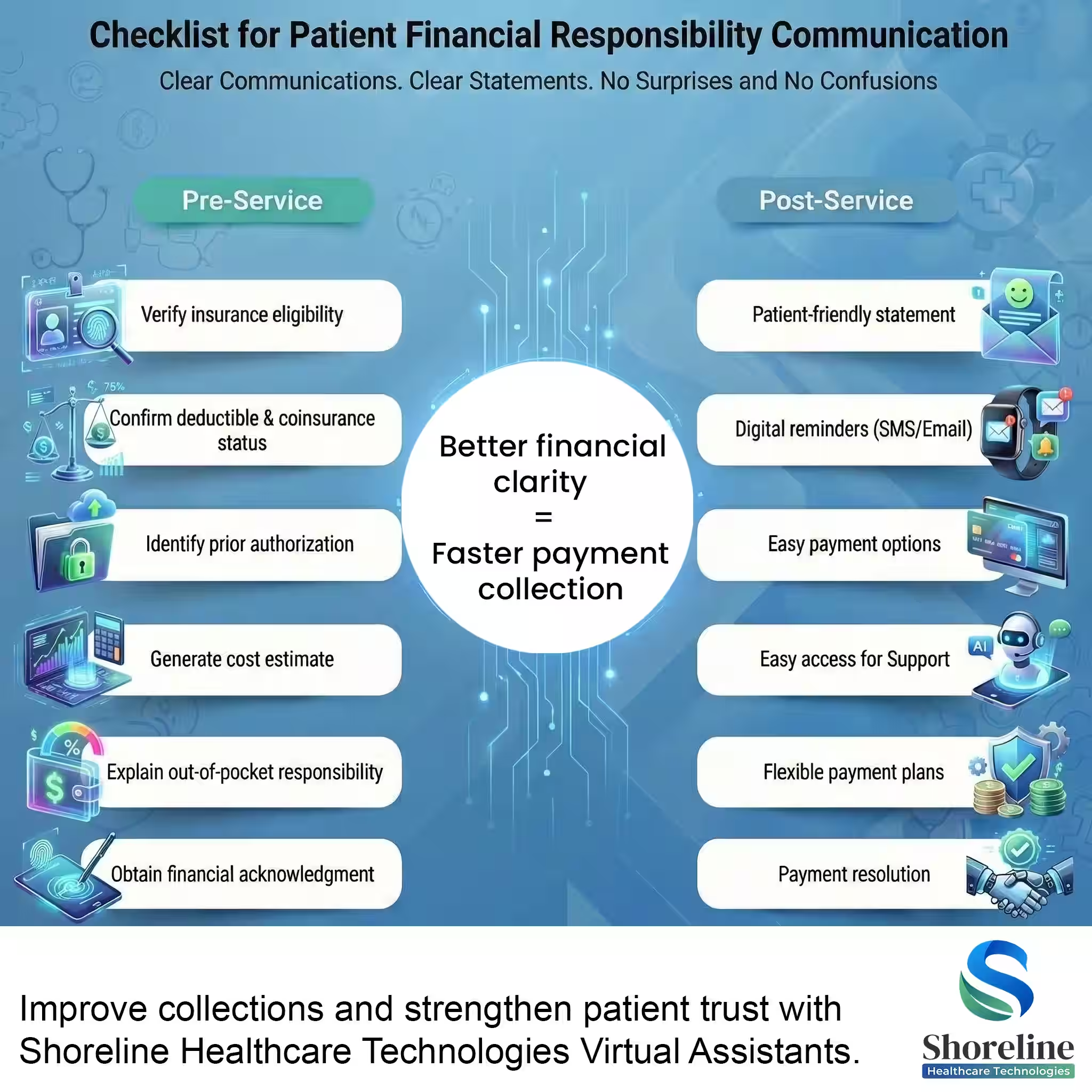
4. Phase 1: Financial Clarity Before Care (Pre-Service Communication)
The most effective healthcare payment responsibility workflow begins before the patient even walks through your door. The Pre-service communication sets the financial expectations that guide every downstream interaction. Any errors or omissions at this stage might lead to post-service disputes.
Eligibility and Benefits Verification
Conduct a thorough eligibility and benefits verification during the scheduling process:
- Confirm the patient’s active coverage to prevent downstream denials
- Confirm deductible status (met vs remaining)
- Identify copays and coinsurance percentages
- Flag exclusions and non-covered services
Pre-Authorization Clarity
If a procedure requires prior authorization, complete the formalities and discuss the same with the patients so that they are aware of their insurance’s stance.
The Patient Responsibility Estimation Process
Communicating patient out-of-pocket costs is much more effective when backed by data rather than "guesstimates":
- Provide clear, written cost estimates.
- Ensure non-covered or self-pay patients receive a transparent healthcare pricing communication document.
- Include professional + facility fees where applicable.
- Clearly explain that estimates are not final bills.
Obtain Financial Consent
Make sure that the patients understand and agree to the financial terms before receiving the treatment. This includes getting signatures in the acknowledgment forms that aligns with No Surprises Act regulations.
Communicating the Various Payment Options and Plans
Explain the various payment options and available assistance programs that helps them for cost-savings. Provide the patients with flexible payment methods like credit cards, installment plans and online patient portals that would reduce their financial burden and improve collections.
5. Phase 2: Point-of-Service (POS) Payment Collection
Point-of-service payment capture secures revenue before administrative friction or post-discharge billing inertia occurs:
- Collecting the co-pays at the time of check-in can prevent revenue leakage due to poor patient communication.
- Reinforce the previously shared estimates and explain payment expectations clearly. These upfront collections would improve the net revenue significantly.
6. Phase 3: Post-Service Communication
Post-service follow-up maintains engagement and eliminates billing misunderstandings:
- Generate a simple, clear bill that clearly distinguishes what the insurance had paid and what is the balance amount that the patient owes.
- Use automated reminders (SMS/email) and maintain compassionate follow-up process.
7. Best Practices for Patient Billing Communication
- Use patient-friendly simple language avoiding the jargons.
- Set up communication through phone, portal, emails or SMS to create a positive patient experience.
- Adopt automated tools to deliver real-time cost estimates and digital billing reminders to improve engagement and streamline workflows.
Eliminate Billing Disputes with Upfront Financial Clarity
Shoreline's end-to-end RCM team verifies coverage, provides transparent estimates, and accelerates patient collections while safeguarding compliance.